NMES for Back Pain: How Neuromuscular Electrical Stimulation Works
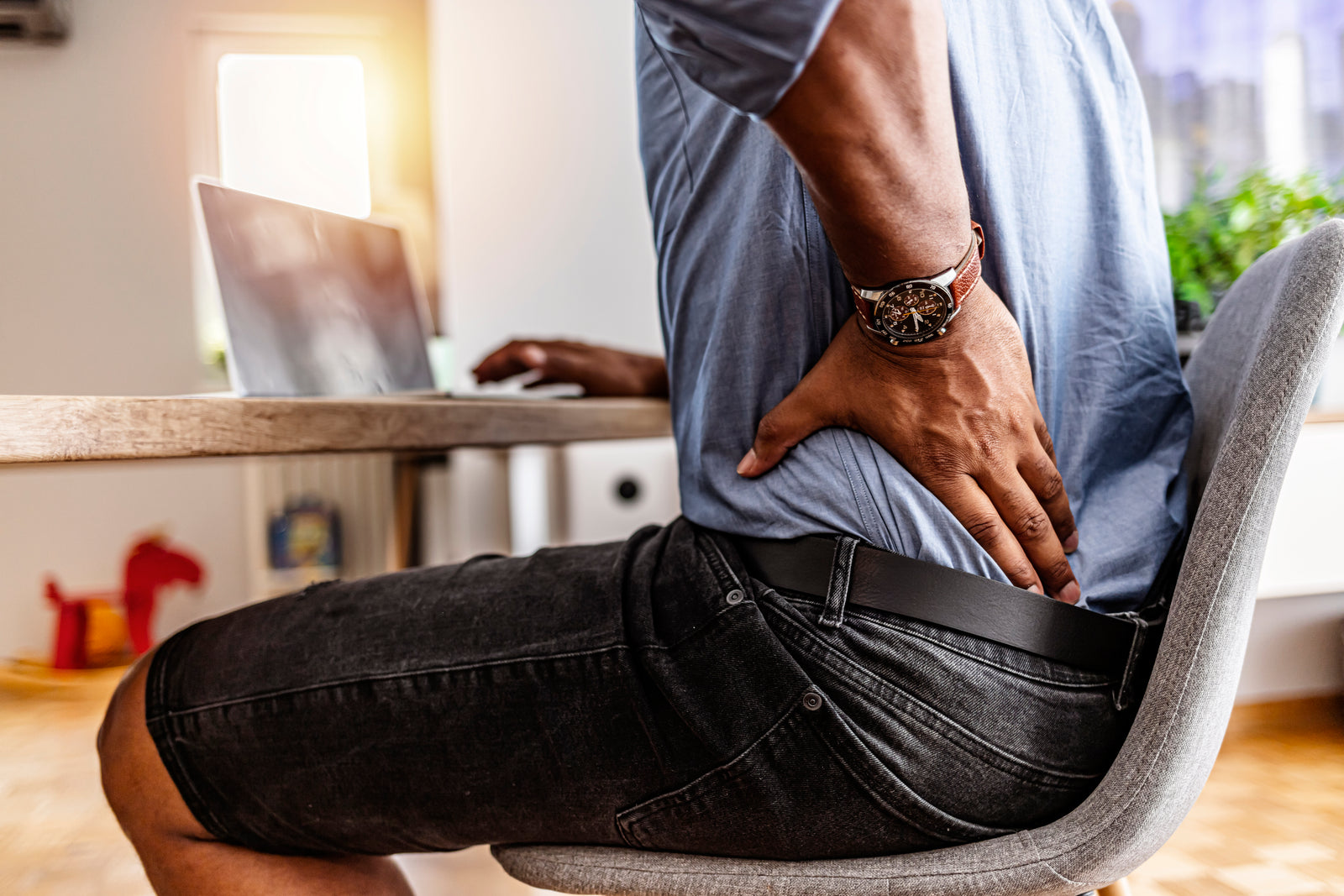
If you've been researching electrical stimulation for back pain, you've probably run into terms like NMES, EMS and TENS. These technologies all apply electrical current to the body, but they aren't the same thing and aren't used for the same purpose.
Neuromuscular electrical stimulation (NMES) uses controlled electrical impulses, delivered through electrodes on the skin, to stimulate motor nerves and cause targeted muscles to contract. For the back, that means NMES can be used to activate muscles that support and stabilize the spine.
Researchers have studied NMES as part of rehabilitation for people with chronic low-back pain, including its effects on activating deep spinal-stabilizing muscles. But back pain has many possible causes, and NMES isn't the right fit for every person or every type of pain. Below, we'll walk through what NMES is, how it works, what the research shows, and how it compares to TENS.
What Is NMES?
NMES stands for neuromuscular electrical stimulation. The technology delivers electrical impulses through electrodes placed on the skin. Those impulses stimulate motor nerves, which causes the targeted muscles to contract — distinguishing NMES from other forms of electrical stimulation, like TENS, that are primarily intended to affect sensory nerves instead.
The FDA classifies electrical muscle stimulators as medical devices and recognizes that applying electrical current to a muscle can cause it to contract. Depending on the specific device and its cleared indications, electrical muscle stimulation may be used for purposes such as muscle re-education, relaxing muscle spasms, maintaining or increasing range of motion, increasing local blood circulation, and preventing or slowing disuse atrophy.
How Does NMES Work?
Normally, your nervous system sends the signals that tell a muscle when to contract. NMES creates that same kind of contraction using an externally applied electrical current instead.
Electrodes placed over the targeted area — for back applications, typically the lower back — deliver controlled electrical impulses. When those impulses reach the appropriate motor nerves, the corresponding muscles contract and relax.
Intensity, frequency, pulse characteristics, electrode placement and treatment protocol all vary considerably from device to device. That's why two electrical stimulation products shouldn't be assumed equivalent just because they both use electrode pads — the specifics of how a device stimulates the body matter.
How Does NMES Activate Lower-Back Muscles?
The muscles surrounding the spine play an important role in movement and spinal stability. Some deep spinal-stabilizing muscles, including the multifidus and transversus abdominis, have been studied in rehabilitation because of their role in lumbopelvic stability and muscle recruitment. Researchers have investigated whether NMES can help activate these muscles in people with chronic low-back pain.
A 2011 study by Coghlan and colleagues evaluated an NMES training application in people with chronic low-back pain. The researchers reported enhanced activation of spinal-stabilizing muscles — including the transversus abdominis and the deep fibers of the multifidus — following the training period, along with improvements in participants' pain ratings. A separate 2016 study by Kim and colleagues similarly found that lumbar stabilizing muscles were significantly activated by NMES in patients with lumbar degenerative kyphosis.
These findings are encouraging, but they should be read for what they are: results from specific NMES applications in specific patient populations. They don't mean every NMES device produces the same effect, and they don't mean NMES resolves every cause of back pain.
What Does Research Say About NMES for Back Pain?
Beyond the studies above, a randomized preliminary trial by Hicks, Sions, Velasco and Manal (2016) looked at trunk muscle training augmented with NMES in older adults with chronic low-back pain, and found it improved function compared to training alone. Together, this research treats NMES as a tool for muscle activation and re-education in a rehabilitation context — not as a stand-alone cure for back pain.
That distinction matters. Back pain can originate from many different structures and conditions. For some people, muscle weakness or altered muscle recruitment plays a role; for others, pain is related to an injury, nerve involvement, a structural issue, or another medical condition entirely. NMES may be one component of a broader approach, depending on the individual and the guidance of their healthcare provider — persistent, severe, unexplained or worsening back pain should always be evaluated by a professional rather than addressed with a device alone.
NMES vs. TENS: What's the Difference?
NMES and TENS both deliver electrical stimulation through the skin, but they're generally built for different purposes.
NMES is designed to stimulate motor nerves and produce muscle contractions. TENS (transcutaneous electrical nerve stimulation) is generally used for pain modulation by stimulating sensory nerves instead. Someone who wants sensory stimulation for temporary pain relief is, in effect, considering a different type of device than someone who wants muscle activation.
For a full side-by-side comparison — including how each technology is used, their pros and cons, and how to decide between them — see our guide, NMES vs. TENS: Which Unit Is Best for Your Back Pain?
Can You Use NMES at Home?
Some electrical muscle stimulators are designed for consumer use at home. When evaluating an at-home device, it's important to understand its regulatory status, intended use and instructions.
If you're considering an at-home NMES device, it's worth looking past marketing language and confirming a few basics: whether the device meets applicable FDA regulatory requirements, its cleared intended use, whether it actually delivers NMES (versus TENS or a blend of stimulation types), and whether the manufacturer provides clear instructions and contraindications. An electrical stimulator should always be used according to its instructions for use.
Is NMES Safe? Who Should Avoid Electrical Stimulation?
Electrical muscle stimulation isn't appropriate for everyone. FDA guidance for powered muscle stimulators outlines contraindications, warnings and precautions that apply across this device category. For example, powered muscle stimulators should not be used by people with cardiac demand pacemakers. Precautions also apply to certain heart conditions, epilepsy, pregnancy, recent surgery, and areas of the body with impaired sensation. Electrical stimulation shouldn't be applied over swollen, infected or inflamed skin, or certain other areas of the body.
The FDA has also received reports of skin irritation, pain, burns, bruising and interference with implanted devices associated with some electrical muscle stimulators. Following the specific device's instructions — and choosing an appropriately regulated product in the first place — matters. Always review the contraindications and instructions for the particular device you're considering, and talk to a healthcare professional if you're unsure whether NMES is appropriate for your condition.
How Do You Choose an NMES Device for Home Use?
Not every "muscle stimulator" sold online provides the same technology or is held to the same regulatory standard. A few things worth checking before you buy:
- Regulatory status — is the device FDA-cleared, and for what specific indications?
- Stimulation type — does it deliver NMES, TENS, or a combination, and does that match what you're trying to accomplish?
- Electrode design and placement — is it built to target the lower back specifically?
- Intensity control — can you adjust the stimulation level to your comfort and tolerance?
- Treatment protocol — does the manufacturer specify session length and frequency?
- Instructions and contraindications — are they clearly documented, and do they apply to your situation?
Evaluate a device based on its intended use and regulatory documentation, not just its price or the number of stimulation "modes" it advertises.
Where Does NeuroMD Fit?
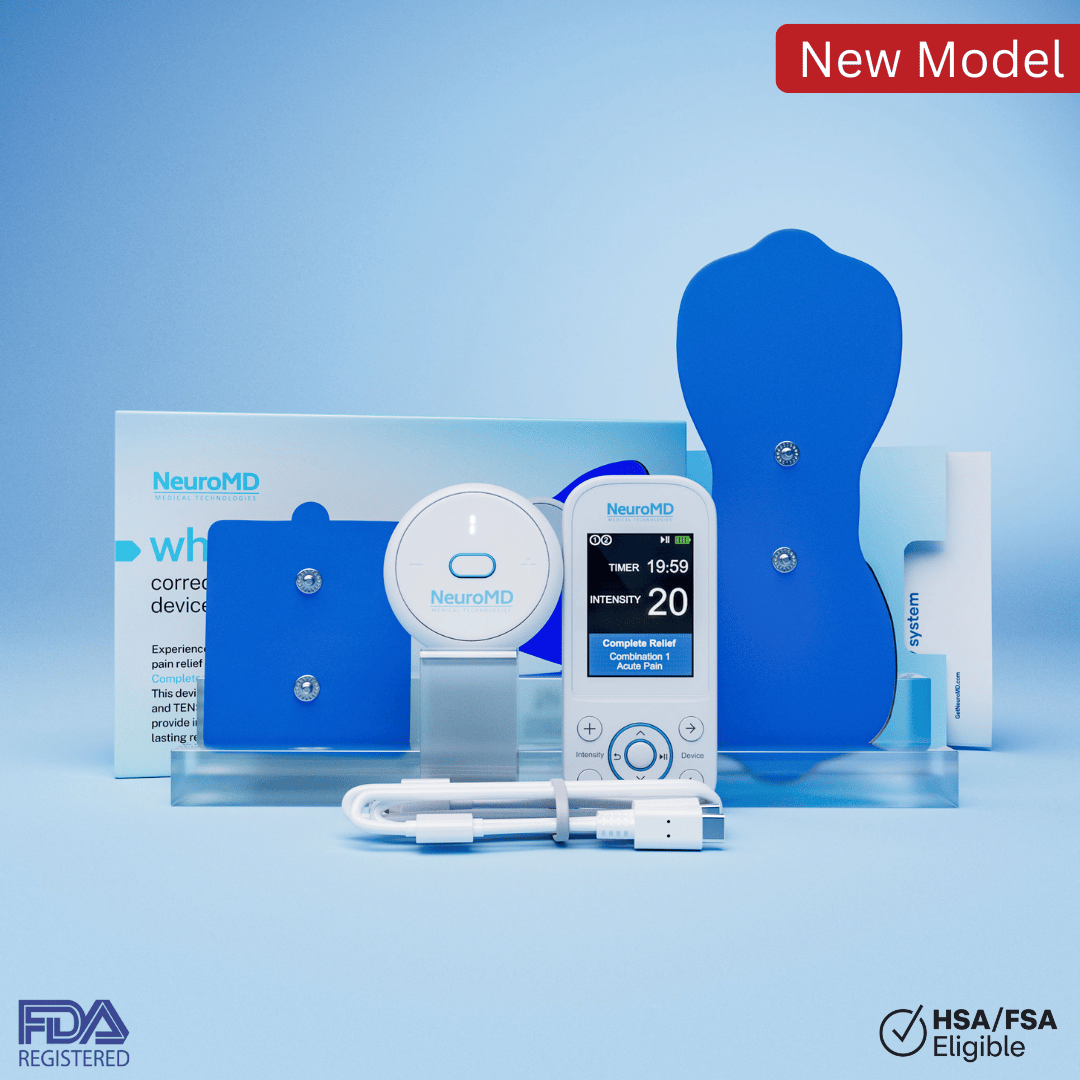
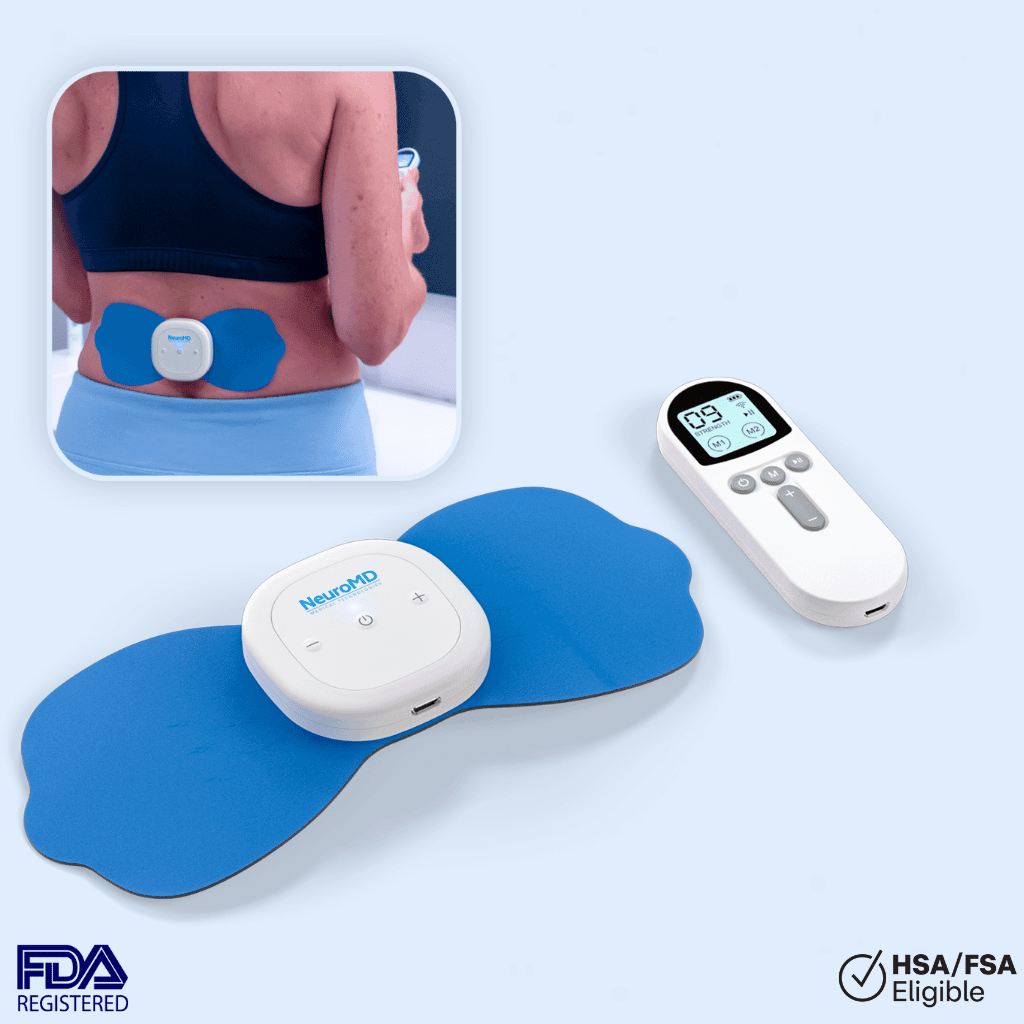
The NeuroMD Corrective Therapy Device® is an FDA-cleared, at-home NMES device that uses neuromuscular electrical stimulation to target muscles that support the back. It uses reusable electrode pads placed over the targeted area and offers adjustable stimulation intensity, so you can find a level that's comfortable for you.
Unlike a TENS-only unit, NeuroMD's Corrective Therapy Device uses NMES to produce muscle contractions by stimulating motor nerves. As with any electrical stimulation device, NeuroMD should be used according to its instructions for use, treatment protocol and contraindications. Learn more about the Corrective Therapy Device, see the supporting clinical studies, or review how to use NeuroMD.
Frequently Asked Questions
What does NMES stand for?
NMES stands for neuromuscular electrical stimulation. It uses electrical impulses delivered through skin electrodes to stimulate motor nerves and cause targeted muscles to contract.
Does NMES strengthen muscles?
Electrical stimulation can cause muscle contractions, and powered muscle stimulators have recognized uses that include muscle re-education and preventing or slowing disuse atrophy. Results depend on the specific device, its stimulation parameters, the individual, and the device's intended use.
Is NMES the same as TENS?
No. Both use electrical stimulation, but NMES is designed to stimulate motor nerves and produce muscle contractions, while TENS is generally used to stimulate sensory nerves for temporary pain relief.
Can NMES activate lower-back muscles?
Research has investigated NMES training for activating deep spinal-stabilizing muscles — including the multifidus and transversus abdominis — in people with chronic low-back pain, with some studies reporting improved muscle activation and pain ratings. Results vary by device and individual.
Can I use NMES at home?
Some NMES devices are designed and cleared for at-home use. Consumers should follow the specific device's instructions, intended use, electrode-placement guidance, warnings and contraindications.
Who should not use NMES?
Contraindications and precautions vary by device. FDA guidance states that powered muscle stimulators should not be used by people with cardiac demand pacemakers, and identifies precautions involving pregnancy, certain heart conditions, epilepsy, recent surgery and areas of impaired skin sensation, among others. Always follow the instructions for use for the specific device.
Is NeuroMD a TENS unit?
No. The NeuroMD Corrective Therapy Device® uses NMES — neuromuscular electrical stimulation — to stimulate muscles that support the back. It shouldn't be characterized as a traditional TENS-only device.
Sources & Further Reading
- Coghlan, S., Crowe, L., McCarthy Persson, U., Minogue, C., & Caulfield, B. (2011). Neuromuscular electrical stimulation training results in enhanced activation of spinal stabilizing muscles during spinal loading and improvements in pain ratings. Annual International Conference of the IEEE Engineering in Medicine and Biology Society.
- Kim, S. Y., Kim, J. H., Jung, G. S., Baek, S. O., Jones, R., & Ahn, S. H. (2016). The effects of neuromuscular electrical stimulation on the activation of deep lumbar stabilizing muscles of patients with lumbar degenerative kyphosis. PMC.
- Hicks, G. E., Sions, J. M., Velasco, T. O., & Manal, T. J. (2016). Trunk muscle training augmented with neuromuscular electrical stimulation appears to improve function in older adults with chronic low back pain: a randomized preliminary trial. Cited on NeuroMD's clinical studies page.
- U.S. Food and Drug Administration. Electronic Muscle Stimulators.
- U.S. Food and Drug Administration. Guidance Document for Powered Muscle Stimulator 510(k)s.
- National Institute of Arthritis and Musculoskeletal and Skin Diseases (NIAMS). Back Pain.


![How to Prevent Lower Back Pain When Lifting Weights [8 Things to Avoid]](http://getneuromd.com/cdn/shop/articles/iStock-1362387122.jpg?v=1677689984&width=1080)